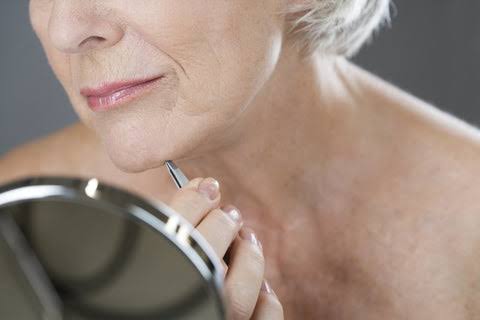
Menopause brings with it a set of physical changes that few women are fully prepared for, and unwanted facial and body hair is among the most frustrating of them. It appears gradually, often starting in perimenopause, and tends to become more persistent as oestrogen levels continue to decline. For many women, it is the point at which temporary hair removal methods that once worked adequately begin to feel entirely inadequate.
Before committing to any hair removal approach, it is worth asking the right questions. Women seeking hair removal for menopause often find that the method that worked for them before may no longer be the right fit, and understanding why makes it considerably easier to choose something that actually delivers lasting results.
1. Why Does Menopause Change Hair Growth in the First Place?
As oestrogen declines, androgens that were previously counterbalanced begin to exert a stronger influence on hair follicles. The result is that fine vellus hairs on the face, chin, and jawline are gradually converted into coarser, darker terminal hairs. It is a hormonal process, and for it to be addressed durably, the chosen method needs to account for that underlying biology.
Healthdirect Australia explains that menopause brings significant changes to the body, driven by declining oestrogen and progesterone levels, which affect everything from skin condition to hair growth patterns. Recognising that unwanted facial hair is hormonally driven rather than incidental is an important starting point when evaluating hair removal options.
2. Will Temporary Hair Removal Methods Keep Up With Hormonal Hair Growth?
This is the most important question to ask, and it immediately rules out a number of popular options. Waxing, threading, and shaving temporarily remove hair at the surface or root, but they do nothing to interrupt the follicle’s capacity to keep producing hair. Moreover, laser hair removal fails to produce lasting results, and can only offer hair growth reduction.
Unwanted hair growth driven by hormonal changes can be particularly difficult to deal with, since it often occurs on visible facial regions. There is no endpoint with temporary methods, regardless of how consistently they are maintained.
3. Which Method Works on All Hair Colours and Skin Tones?
Laser hair removal relies on the presence of pigment in the hair shaft and best on dark hair growing on lighter shades of skin. The grey, white, and fine hairs that often appear during menopause fall outside what a laser can reliably target.
On the other hand, electrolysis permanent hair removal does not depend on the presence of pigment. It works by inserting an ultra fine probe into the base of the hair follicle, where a tiny electrical current triggers a chemical reaction that permanently inhibits the stem cells responsible for hair growth.
This stops hair growth in the treated follicle. Because it targets the follicle directly rather than the pigment within it, electrolysis is effective regardless of hair colour or skin tone.
4. How Many Electrolysis Sessions Are Required?
Multiple sessions of electrolysis are required because hair grows at different speeds within its natural growth cycles. Since not all hairs are present or visible at any one time, a series of electrolysis treatments ensures all follicles are addressed as they progress through their individual cycles.
The total number of electrolysis permanent hair removal sessions varies from person to person depending on the area being treated, hair density, and individual growth patterns. Moreover, treatment sessions are spaced to allow the skin to recover between appointments.
Clients who maintain a consistent schedule tend to reach their goals more efficiently. Progress builds incrementally, with density reducing noticeably over time.
5. What Does Electrolysis Feel Like?
Experiencing some mild discomfort during electrolysis permanent hair removal treatment is normal. Most clients report a brief tingling or stinging sensation at each treatment point, which subsides quickly. Minor redness or swelling after a session typically resolves within a few hours. Skin sensitivity can vary, and a reliable and qualified practitioner will adjust their approach accordingly.
Consistently following aftercare guidance between electrolysis treatment sessions supports skin health throughout the process.
Conclusion
Menopause-related hair growth is not a cosmetic inconvenience that will resolve on its own. For women who have been managing it with temporary methods for years, the cumulative cost in time, money, and ongoing frustration often prompts them to seek a permanent solution.
Leave a Reply