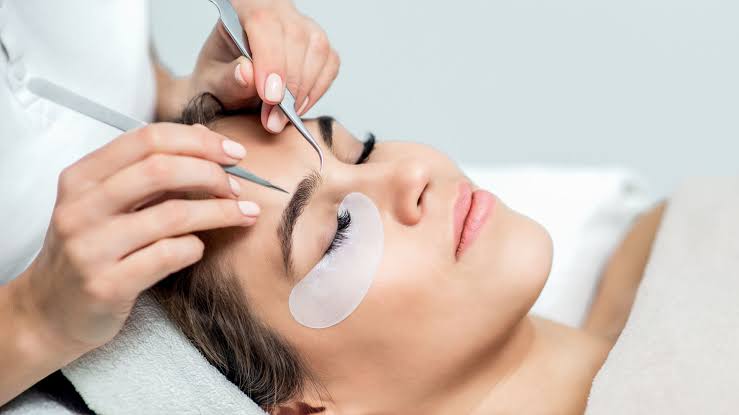
A career in the lash and beauty industry begins with sound training, repeated practice, and careful client care. New practitioners may start with classic extensions, lash lifts, brow shaping, or several related treatments. Each service demands precise hand control, hygiene awareness, product knowledge, and clear communication. Progress rarely comes from expensive equipment alone. It develops through supervised learning, thoughtful preparation, accurate records, and consistent results that encourage clients to return.
Choose a Focus
Beginners benefit from lessons covering tools, adhesives, consultation methods, application sequences, and aftercare. Reputable eye lash courses can cover classic sets, hybrid styling, volume techniques, lash lifting, and brow services. Useful lessons combine demonstrations with written guidance, assessments, and practical exercises. This format allows students to identify weak points early, refine technique gradually, and accept appointments only after their work meets a safe professional standard.
Learn Technical Foundations
Quality results depend on isolation, direction, placement, weight selection, and timing. Classic extensions place one fibre on one natural lash. Volume work uses lighter fibres arranged into fans, while lifting treatments reshape existing hairs with chemical solutions. These services affect delicate skin and follicles near the eye. Training should explain adhesive behaviour, curl selection, natural lash health, eye shape, and removal procedures without relying on guesswork.
Treat Hygiene As Essential
Clean practice protects ocular health and preserves professional credibility. Hands require washing before every appointment, while instruments need approved disinfection between clients. Disposable wands, microbrushes, and applicators should never be reused. Adhesive should remain sealed and stored in accordance with the manufacturer’s guidance, as moisture and heat can alter curing behaviour. Education must also cover patch testing, contraindications, allergy history, ventilation, and appropriate action in the event of irritation.
Practise Before Charging
Practice sessions develop isolation accuracy, placement control, styling balance, and treatment comfort. Mannequin work improves hand position, yet live models reveal uneven growth patterns, sensitive skin, blinking, and differing eye shapes. Early appointments should allow extra time for careful preparation. Before introducing paid services, practitioners can photograph each set, review symmetry, record timing, and gather candid feedback from suitable volunteer models.
Build a Useful Portfolio
A portfolio should present close-up images showing clean attachment, balanced direction, and suitable styling. Consistent lighting prevents shadows from disguising gaps or uneven density. Examples may include classic, hybrid, textured, lifted, and brow-focused work, as capabilities expand. Written notes can identify curl, length, mapping, and maintenance advice. Clients’ consent remains necessary before sharing photographs, testimonials, or identifiable details online.
Create a Clear Service Menu
A focused menu makes booking decisions easier for clients. New professionals might begin with classic extensions, infills, lash lifts, and brow shaping. Each listing should explain appointment length, maintenance needs, preparation rules, suitability limits, and starting cost. Add-ons can follow once core treatments become reliable. Clear scheduling policies also reduce delays, prevent rushed work, and establish professional boundaries from the first booking.
Set Prices With Evidence
Rates should account for appointment duration, consumable products, education costs, rent, insurance, laundry, payment charges, and booking software. A very low fee may attract models, yet it can create financial strain once demand increases. Practitioners should calculate product usage for every treatment, then review income and expenses each month. Price adjustments become easier when records show actual costs rather than assumptions.
Promote Through Trust
Clients usually respond to visible results, accurate information, and dependable service. A professional profile should display clear photographs, treatment details, booking conditions, preparation guidance, and aftercare instructions. Educational posts can explain shedding cycles, refill timing, adhesive sensitivity, or safe removal. Genuine testimonials require permission and honest wording. Prompt replies, punctual appointments, and respectful consultations often produce stronger referrals than repeated discount offers.
Continue Developing Skills
Experienced practitioners continue reviewing technique, client feedback, product instructions, and industry training. Further study may cover handmade volume, premade fans, brow lamination, advanced lifting methods, or business administration. Each new service should follow adequate education and supervised practice. Regular assessment helps reduce treatment time while protecting natural lashes, maintaining comfort, and producing consistent styling across different clients.
Conclusion
Starting a lash and beauty career involves more than learning an attractive treatment. Professional progress rests on sound education, infection control, precise technique, sensible pricing, and respectful communication. Beginners can select one service, practise under suitable conditions, document strong results, and add treatments once they have achieved reliable standards. Those habits support employment, chair rental, mobile appointments, or independent work. Careful preparation gives clients safer experiences and practitioners a credible foundation for long-term growth.
Leave a Reply